
Menopause

This page talks about the different phases of the menopause transition, symptoms, possible treatment options and links to further helpful resources.
Note: Menopause affects people who are born with ovaries. This can include some, but not all, women, trans men, gender diverse and nonbinary people. They can be any age after puberty. Additionally, some people who are impacted by menopause have intersex variations. Intersex people have been historically overlooked or excluded from understandings of menopause-related healthcare.
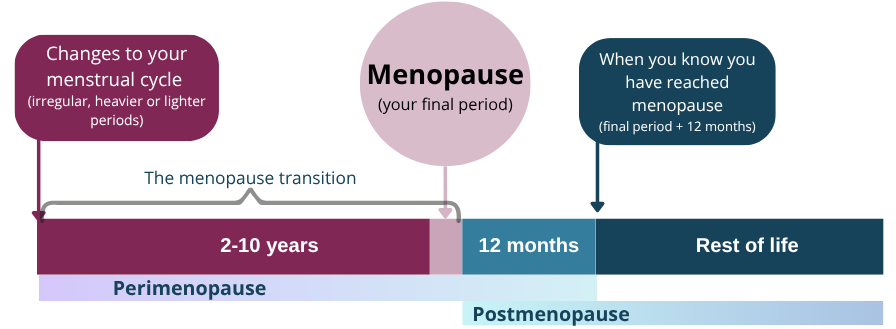
Perimenopause describes the time you are transitioning into menopause. Some of your hormone levels, like estrogen (oestrogen) and progesterone, start to change by going up and down. These hormones have many jobs in your body. They help regulate your menstrual cycle and support things like bone health, as well as influencing your mood and sleep. These hormone level changes can lead to menopausal symptoms. Pregnancy is still possible during this time, even when periods are irregular.
If you are between 45 and 55 years old and have symptoms of perimenopause, you don’t usually need blood tests to measure hormone levels. This is because hormone levels go up and down during perimenopause. Because of these fluctuations, test results may not be able to accurately reflect whether you are in perimenopause or not.
The word menopause is used to describe the time your regular menstrual period bleeding ends. Your final menstrual period usually happens when you are aged between 45-55 years old. It can also happen because of surgery or another medical treatment.
Note: While Menopause just describes a moment in time, you may hear people using the word ‘menopause’ to describe 3 different phases:
- Perimenopause – the years you are transitioning into menopause
- Menopause – the day 12 months after your last period
- Postmenopause- the years after menopause
When you have not had a period for 12 months, you enter the postmenopause stage. During this stage, your ovaries slow down the production of estrogen (oestrogen) and progesterone, and you can continue to experience menopausal symptoms.
Menopause Symptoms
Menopause affects everyone differently. Symptoms can be physical (body), mental (psychological) and emotional.
- Some people, about 1 in 4 (25%), may not experience symptoms at all.
- Some people, about 1 in 4 (25%), experience severe symptoms that affect their daily activities and quality of life.
Common symptoms include:
- irregular menstrual cycle
- hot flushes
- night sweats
- vaginal dryness
- sleep issues
- sexual dysfunction (including low or loss of libido and painful sex)
- low mood
- increased anxiety
- ‘brain fog’ (issues with focus, memory)
- muscle pain
- joint pain
You can also see the Jean Hailes Perimenopause and menopause symptom checklist. It is possible that not all conditions and symptoms on this list are due to the menopause transition. Speak with your health professional if you are experiencing any of the symptoms above.
What is Menopausal Hormone Therapy (MHT)?
Menopausal Hormone Therapy, or MHT, is a treatment to manage menopause symptoms such as hot flushes, night sweats and urogenital (vaginal, vulval and urinary tract) symptoms. For some, MHT may reduce the risk of osteoporosis, bone fractures, diabetes, and heart disease. It used to be called ‘Hormone Replacement Therapy’ or ‘HRT’. Menopausal Hormone Therapy (MHT) is a group of prescription medicines. There are many different types of medicines. Common types include:
- Estrogen-only MHT – usually recommended if you have had surgery to remove your uterus (a hysterectomy)
- A combination of estrogen and progestogen MHT – usually recommended if you still have a uterus. The progestogen helps to reduce your risk of endometrial cancer (cancer of the uterus).
Other types your doctor might suggest include:
- Tibolone may be an option if you experience troublesome side effects with progestogen-containing MHT, such as breast tenderness or mood changes. Tibolone can help manage menopausal symptoms, improve bone health and may help with low sex drive (libido)”
- Testosterone may help with symptoms of low sex drive (libido) that lasts several months and causes distress (only when postmenopausal).
There are different types of estrogen and progestogen hormones and there are many different brand names, so you might not recognise which type you have been prescribed at first.
You can take different forms of MHT such as:
- pills
- gels
- pessaries
- patches
- vaginal creams
- oral contraceptives pill (for people under 50 years old)
- an intrauterine device (IUD)
You can also read about non hormonal options on this Jean Hailes Page.
Each person using Menopausal Hormone Therapy (MHT) will take a different type, form and dose (amount). Your GP or specialist will work with you to understand the best choice for you, as well as any changes if something is not working for you.
How does Menopausal Hormone Therapy (MHT) work?
Menopausal Hormone Therapy (MHT) addresses the change in hormone levels that cause symptoms. It does this by replacing or adding to hormone levels in your body, which can help reduce menopause symptoms.
Why would you use Menopausal Hormone Therapy (MHT)?
There is evidence that Menopausal Hormone Therapy (MHT) can treat common symptoms including:
- hot flushes
- night sweats
- vaginal dryness
For some people it can also reduce the risk of developing:
- osteoporosis (brittle bones)
- bone fractures
- type 2 diabetes
- heart disease
Managing menopause symptoms is not a one-size-fits all. Your treatment will depend on lot of different factors, including which stage of menopause you are in. Talk with your healthcare professional about your treatment options that suit you. Discuss your values, symptoms and treatment options using this care plan

Want more information and resources?
Check out the Jean Hailes Quality Use of Medicines for Menopause page
You can also find information on:
The Australian Government’s Menopause page
This page from Transhub that outlines this topic for trans and gender diverse people

Resources
Find Resources about Menopause on the Resources page.
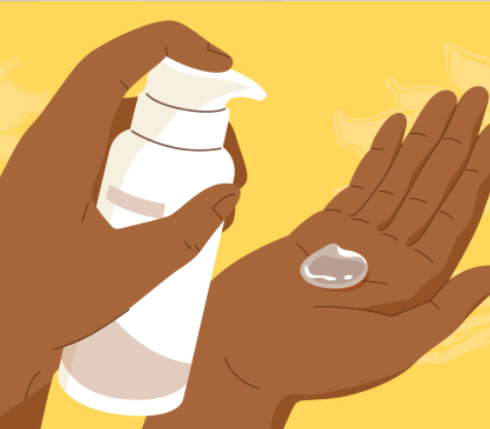
What is MHT gel?
On this page, find out how to use menopausal hormone therapy gel, including step-by-step instructions and tips.
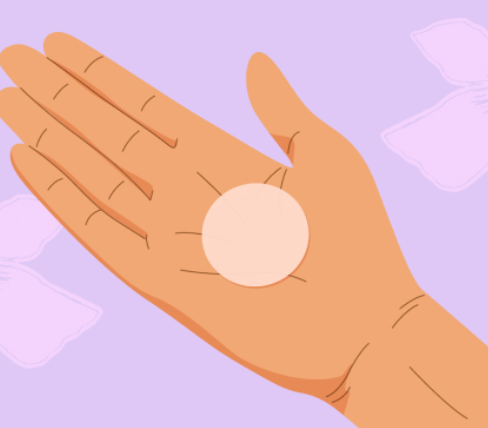
What are MHT patches?
On this page, find out how to use menopausal hormone therapy patches, including step-by-step instructions and tips.
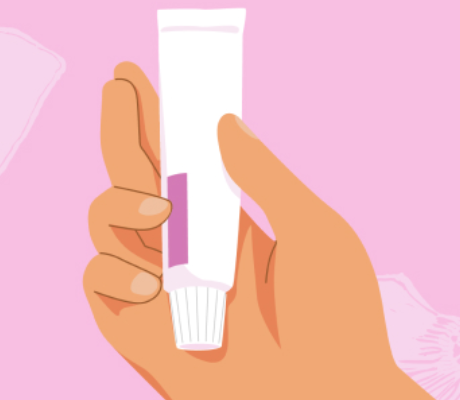
What is MHT vaginal oestrogen cream?
On this page, find out how to use vaginal oestrogen (estrogen) cream, including step-by-step instructions and tips.
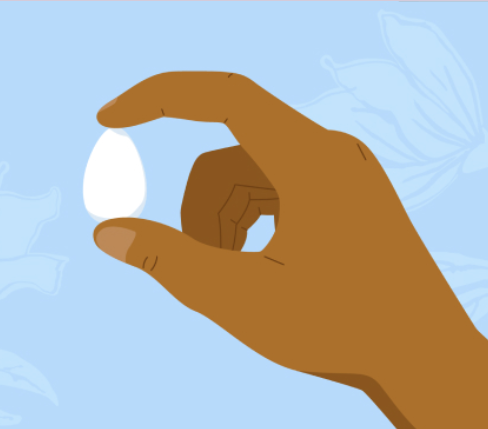
What are MHT vaginal pessaries?
On this page, find out how to use menopausal hormone therapy vaginal pessaries, including step-by-step instructions.
